

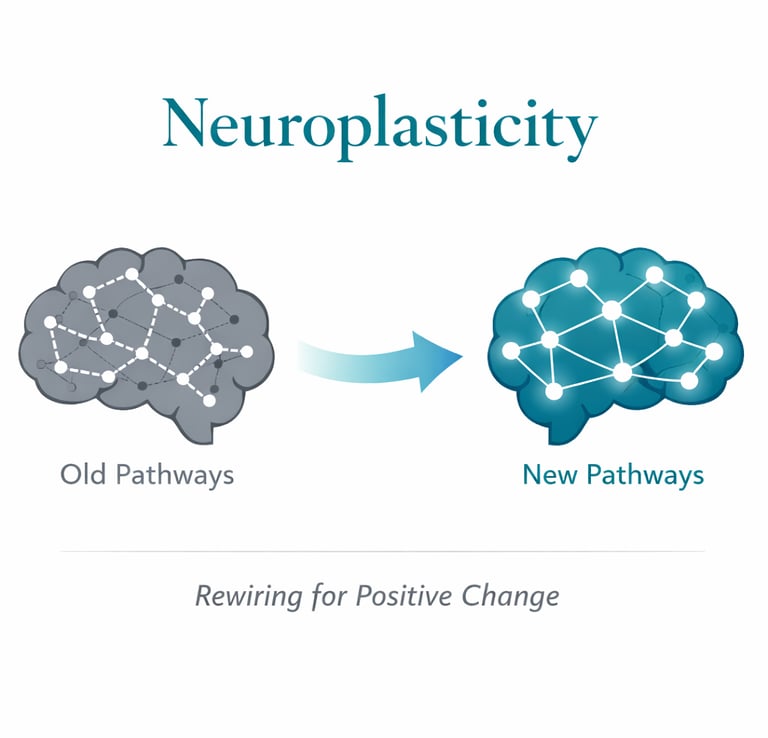
The brain and nervous system are constantly adapting to experiences, stress, and environment—a process known as neuroplasticity. This means the brain is always forming and reinforcing patterns based on what it goes through.
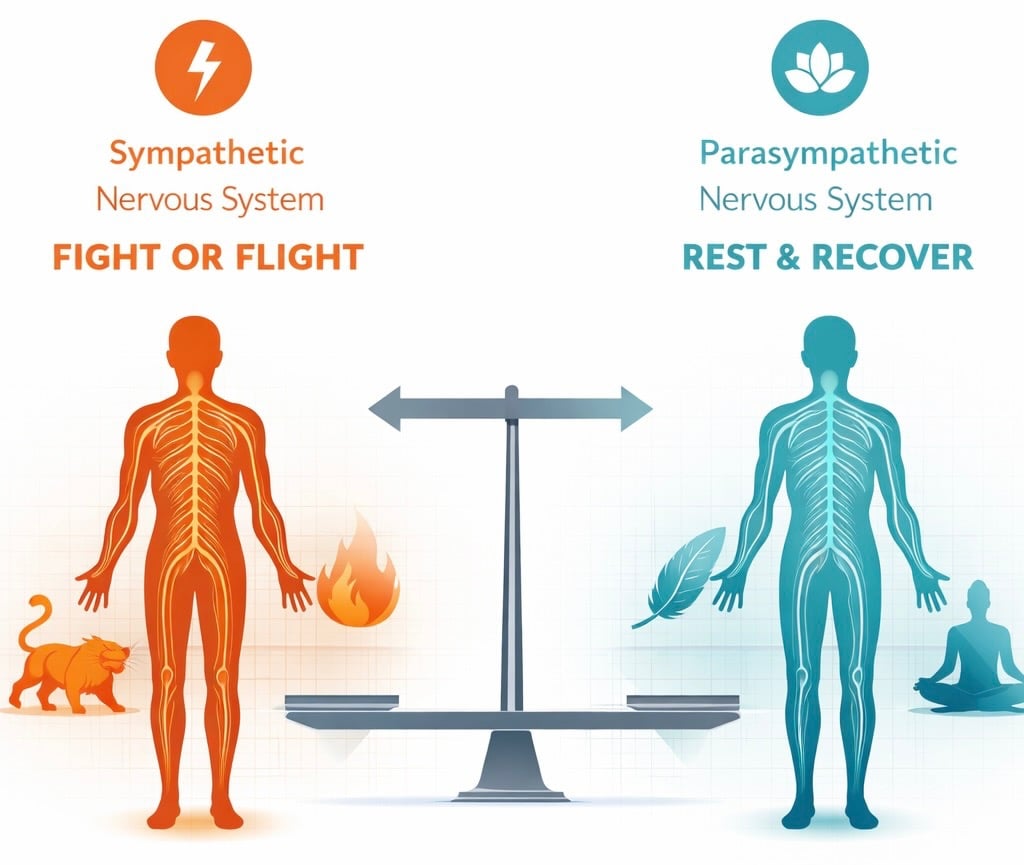
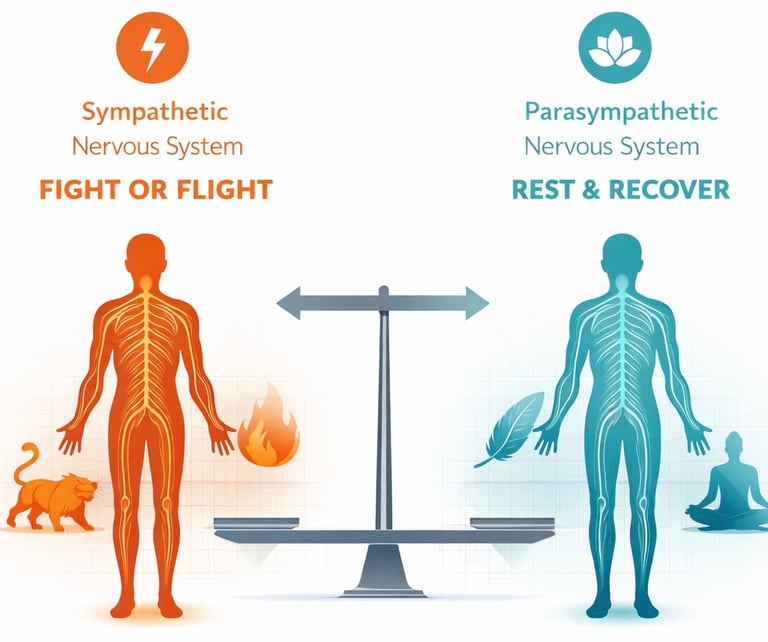
When the body experiences stress, the nervous system activates the fight-or-flight response, a natural survival mechanism designed to protect us in moments of danger. However, when stress becomes chronic, the brain can become “wired” to stay in this heightened state.
Over time, this can lead to symptoms such as:
• Anxiety or feeling on edge
• Difficulty relaxing
• Sleep disturbances
• Brain fog or trouble concentrating
• Emotional overwhelm
Neuroplasticity, Stress & the Nervous System
When the Brain Gets Stuck
Because of neuroplasticity, the brain can unintentionally reinforce these stress patterns, making it harder to return to a calm, regulated state. The nervous system may struggle to shift out of fight-or-flight and into a state of rest and recovery.
How We Help
At Clear Mind Idaho, our approach focuses on supporting the brain and nervous system so it can reset, regulate, and form healthier patterns.
Through services such as:
• IASIS Neurofeedback – supports the brain’s ability to self-regulate
• Photobiomodulation – supports cellular energy and brain function
• Autonomic Balancing – helps stimulate and regulate the nervous system
We help create an environment where the brain can move out of chronic stress patterns and toward a more balanced, resilient state.
Why This Matters
When the brain and nervous system are more regulated, many people experience improvements in:
• Stress resilience
• Emotional balance
• Sleep quality
• Focus and mental clarity
Neuroplasticity means change is possible—and with the right support, the brain can learn to function in a more balanced and efficient way.

How IASIS Neurofeedback Works
Gentle EEG Sensors Are Placed on the Head
Small EEG sensors are placed on specific areas of the scalp. These sensors allow the system to interact with your brain’s natural electrical activity. The process is completely non-invasive, painless, and sessions typically last only a few minutes.
Ultra-Low Microcurrent Is Delivered
Based on your unique brain waves the IASIS system sends extremely small electrical signals—similar to the brain’s own natural activity. These gentle signals are designed to support the brain’s ability to reset and shift away from patterns of stress or dysregulation.
Neurofeedback supports the brain’s natural ability to self-regulate. Over time, many clients report improvements in areas such as stress response, focus, sleep, mood, and overall mental clarity as the brain becomes more balanced and resilient.
Your Brain Does the Work
IASIS neurofeedback is designed to support healthy brain function and self-regulation. It is not intended to diagnose, treat, cure, or prevent any medical condition.
What to Expect

Is This Right for You?
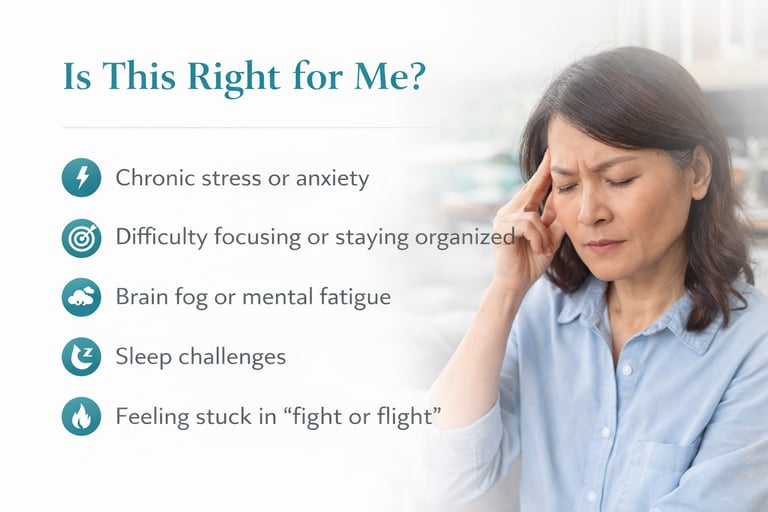
You may benefit from our services if you are experiencing:
• Chronic stress or anxiety
• Difficulty focusing or staying organized
• Brain fog or mental fatigue
• Sleep challenges
• Feeling stuck in “fight or flight”
• Difficulty recovering from stress or life events
If this sounds familiar, your brain and nervous system may benefit from additional support.
Photobiomodulation
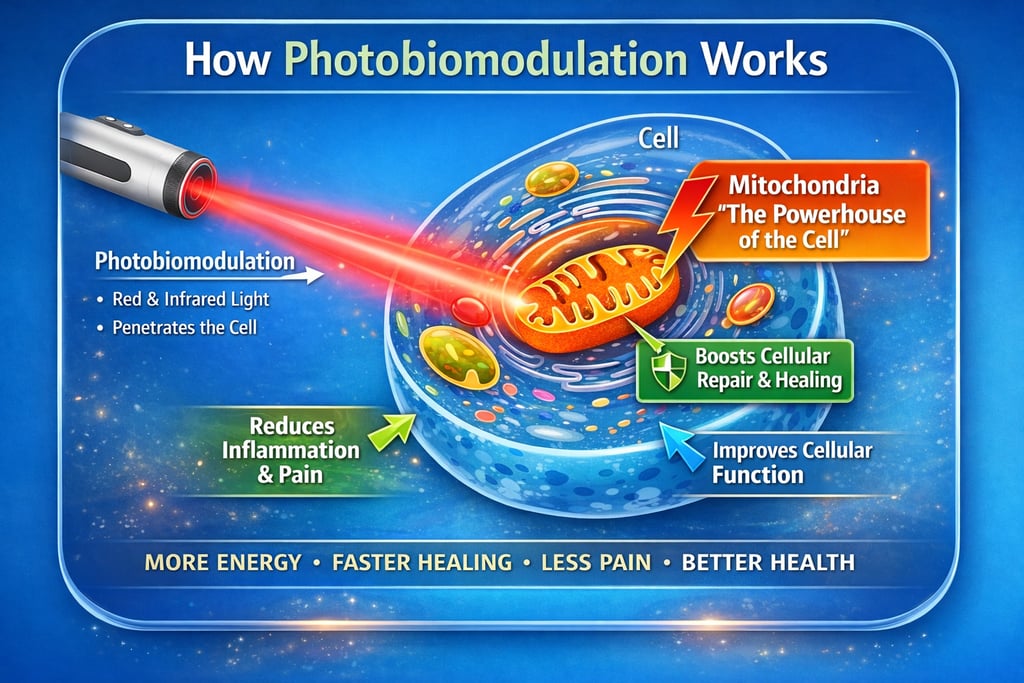
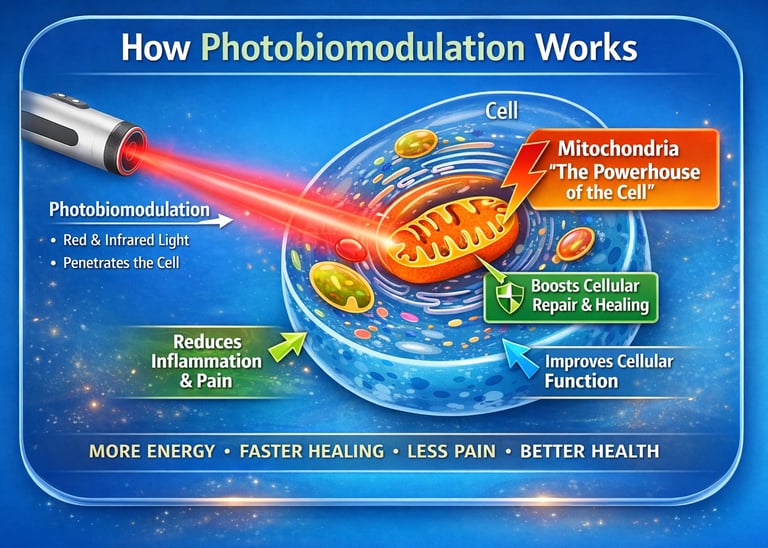
Photobiomodulation uses specific wavelengths of red and near-infrared light to support healthy brain cell function. When this light penetrates the scalp and underlying tissue, it is absorbed by the mitochondria within brain cells. Mitochondria are responsible for producing ATP, the energy that cells need to function, repair, and communicate.
By supporting cellular energy production, photobiomodulation may help improve circulation, reduce oxidative stress, and support the brain’s natural ability to heal and regulate itself. Healthier cellular energy allows brain cells to function more efficiently and communicate more effectively.
Why We Use It in the Clinic
At Clear Mind Idaho, photobiomodulation is used as a supportive tool to promote healthy brain activity and overall neurological wellness. Many clients use it to support areas such as cognitive performance, mental clarity, recovery after brain stress or injury, and overall brain health. It is gentle, non-invasive, and designed to work alongside other brain-supportive therapies.
Autonomic Balancing
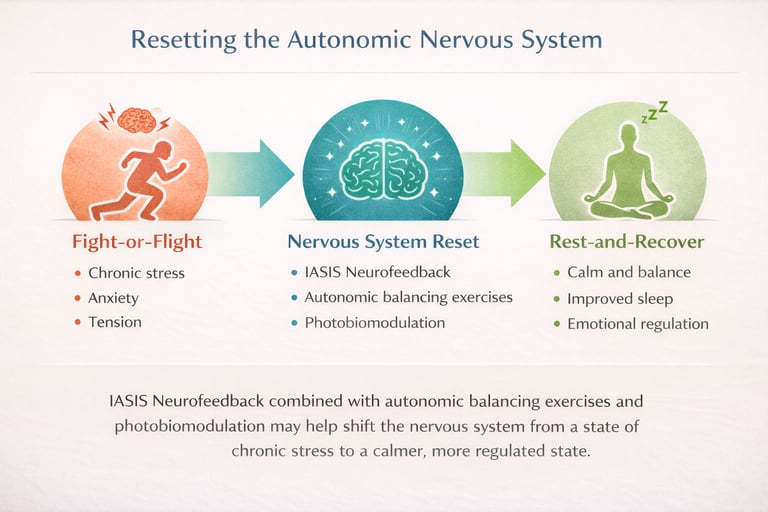
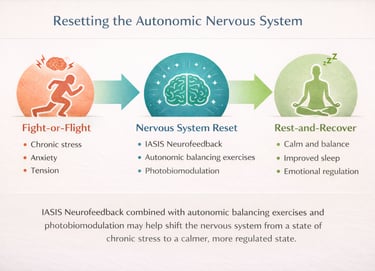
The autonomic nervous system (ANS) controls many of the body’s automatic functions, including heart rate, breathing, digestion, and the body’s stress response. It is made up of two primary branches: the sympathetic nervous system, which activates the body’s “fight-or-flight” response, and the parasympathetic nervous system, which helps the body rest, recover, and restore balance.
When the nervous system becomes stuck in a heightened stress response, it can contribute to symptoms such as anxiety, sleep disturbances, tension, fatigue, and difficulty regulating emotions.
The Science Behind Autonomic Balancing
Autonomic Balancing at Clear Mind Idaho is a series of specialized movements and exercises designed to gently stimulate the nerves that influence the autonomic nervous system. These techniques help activate pathways that support regulation between the sympathetic and parasympathetic systems.
By engaging specific nerve pathways while the brain is receiving IASIS Neurofeedback, the nervous system is encouraged to shift out of chronic fight-or-flight patterns and move toward a more balanced and regulated state.
This combined approach helps the brain and nervous system relearn healthier patterns of regulation. By combining targeted autonomic exercises with neurofeedback sessions, this approach provides an additional layer of support for individuals working to restore balance within their nervous system.
Many clients find that this integrated approach helps them feel calmer, more regulated, and better able to adapt to stress.
How It All Works Together
At Clear Mind Idaho, we take a comprehensive approach to supporting the brain and nervous system. Rather than focusing on just one aspect of brain function, our services are designed to work together to support regulation, energy, and overall balance.
IASIS Neurofeedback
Supports the brain’s natural ability to regulate itself by encouraging more balanced brain activity and improved communication between brain regions.
Photobiomodulation
Uses light to support cellular energy production, helping brain cells function more efficiently and promoting overall brain health.
Autonomic Balancing
Involves targeted movements and exercises designed to stimulate the autonomic nervous system and help shift the body out of chronic “fight-or-flight” and into a more regulated state.
Targeted Quality Supplements
Provide foundational nutritional support using practitioner-grade formulations designed to support brain health, nervous system function, sleep, and overall wellness.
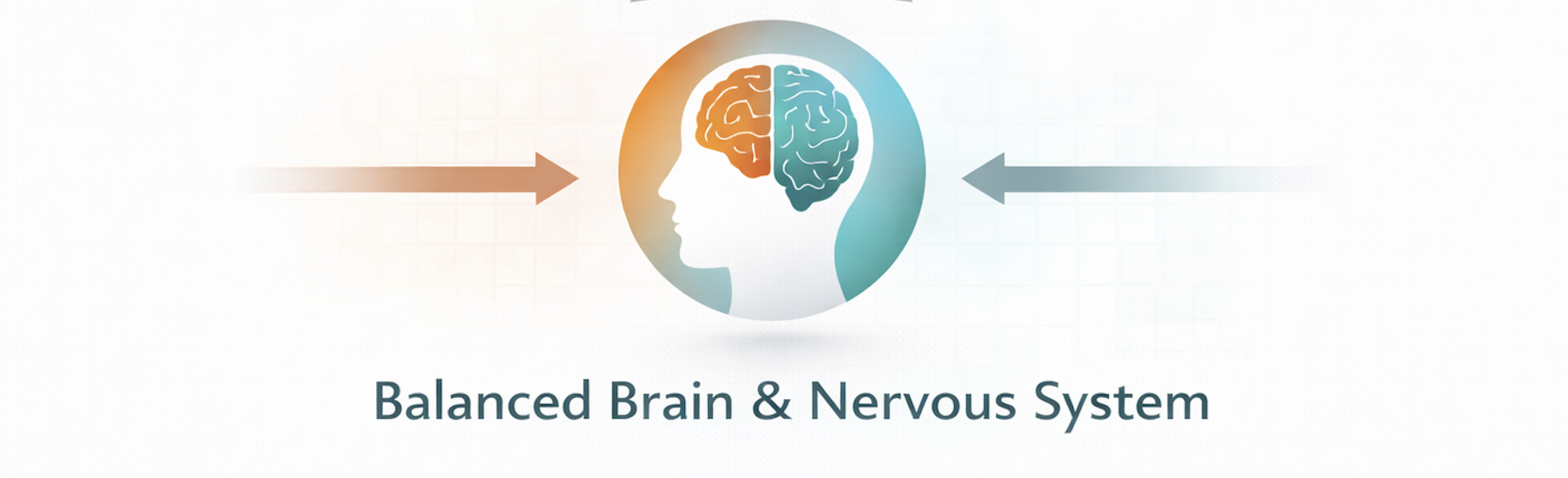
Supporting the Brain, Nervous System, and Cellular Function
Each of our services plays a unique role:






A More Complete Approach
When used together, these approaches support:
• Brain regulation
• Nervous system balance
• Cellular energy and function
• Nutritional support for optimal brain health
By addressing multiple aspects of brain and nervous system health, we aim to help the body move out of patterns of stress and toward a more balanced, resilient state.
Conditions We Support
Depression
Feeling down or depressed from time to time happens to most people. Usually such feelings pass, and a person can improve his or her mood naturally. However, some people cannot break out of a depressed state over an extended period of time. In those cases, a person is considered to have clinical depression. However, there is much research that shows that depression is neurological, not psychological. Certain brain patterns are frequently linked to depression. Therefore, training the brain through neurofeedback has a powerful ability to treat depression. With neurofeedback training, the brain practices a healthy pattern of mood regulation. Sometimes people with depression notice improvement after only a few sessions. However, for the brain to fully learn, more training is required. In time, the brain learns to regulate mood on its own.
Sleep & Insomnia
At least 40 million Americans each year suffer from chronic, long-term, sleep disorders. An additional 20 million experience occasional sleep problems. Neurofeedback is a powerful tool for helping people fall asleep and stay asleep. Over 3,000 licensed health professionals such as psychologists, therapists, and doctors now use this new technology daily with patients. As a group, they report significant and consistent improvements for client sleep problems. Many brain training options can help as well as making lifestyle changes and changes in sleep “hygiene”.
Brain Fog
Brain fog can make it difficult to concentrate, think clearly, or feel mentally energized. Brain fog is often linked to nervous system stress, poor brain energy production, or inefficient communication between brain regions. Our therapies support healthy brain regulation and cellular function, helping many clients experience improved mental clarity, focus, and cognitive performance.
PTSD
Post Traumatic Stress Disorder (PTSD) is a serious type of anxiety caused by an extremely stressful event or series of events. People who suffer from PTSD are looking for a method to treat their symptoms, and unfortunately, many people experience only limited benefit after trying various therapies and medication. Neurofeedback trains the brain to produce a calm state as well as regulate stress response. In addition, the specific areas of the brain affected by PTSD can be targeted. Frequently, the first sign of improvement is that a client sleeps better. Then other symptoms begin to improve. After sufficient training, someone with PTSD can maintain a calm state on his or her own. When a person has reached this stable state, neurofeedback treatments can be decreased until no further trainings are necessary.
Autism
Neurofeedback training has been used with several thousand autistic spectrum children over the last 15 years, by hundreds of clinicians. There have been several research studies published to support these efforts. What’s the first thing parents consistently report as their children start training? They usually notice their child is more calm, manages emotions better, and doesn’t get overwhelmed as easily. There are many other changes, as noted below, but these are typically the first.
Fibromyalgia
Fibromyalgia is “A common syndrome of chronic widespread soft-tissue pain accompanied by weakness, fatigue, and sleep disturbances; the cause is unknown.” The word fibromyalgia comes from the Greek myos meaning “muscle”, Greek algos meaning “pain”, and New Latin fibro meaning “fibrous tissue”. Fibromyalgia is a common and chronic disorder. When a health illness or condition is chronic it means it is long-lasting. Even though fibromyalgia is frequently referred to as an arthritis-related condition, it does not cause joint damage or inflammation, as arthritis does. Neither does fibromyalgia cause damage to muscle and other tissues. However, it is similar to arthritis because it causes severe pain.
Learning Disorders
Many of the methods used and promoted to help people with learning disabilities are intended to help a person compensate for, or work around, their learning difficulties. Microcurrent neurofeedback actually improves learning skills by training the areas of the brain relevant to learning or executing skills such as math, reading, and auditory and visual processing. Research studies show that several areas of the brain coordinate in the learning process. These separate parts of the brain communicate with each other at extremely fast speeds. If the timing of the communication is even slightly off, there can be impairment in the ability to learn. New research shows that this “connectivity training” seems to consistently improve learning difficulties. Neurofeedback training can improve the coordination and communication between different areas of the brain. Improved timing in the brain has a significant impact on one’s ability to learn. Microcurrent neurofeedback directly targets the coordination and communication between areas of the brain to improve timing, and therefore learning.
Athletic & Academic Performance
IASIS neurofeedback helps support optimal brain performance by promoting balanced brain activity and efficient communication between brain regions. When the brain is functioning more smoothly, individuals may experience improvements in focus, reaction time, mental clarity, and decision-making. These changes can help support both academic performance—such as concentration, memory, and learning—as well as athletic performance by enhancing coordination, focus under pressure, and mental resilience.
Stroke
Neurofeedback has been studied for its potential role in neurological recovery following stroke. Research in this area explores brain plasticity, motor regulation, and functional improvements through targeted neural training. IASIS neurofeedback may help support the brain during recovery after a stroke by encouraging healthier communication between brain regions. Stroke can disrupt normal brain signaling, which may affect memory, movement, speech, and focus. Neurofeedback may help the brain’s natural activity and support the brain’s ability to regulate and reorganize itself. By promoting balanced brain function, some individuals report improvements in clarity, focus, and overall cognitive function as part of their recovery process.
Seizures & Epilepsy
IASIS neurofeedback may help support brain regulation in individuals with seizure disorders or epilepsy by encouraging more stable and balanced brain activity. Seizures can occur when electrical activity in the brain becomes overly excitable or dysregulated. IASIS neurofeedback uses extremely small electrical signals—similar to the brain’s natural electrical patterns—to help the brain improve its self-regulation. By supporting healthier communication between brain regions and promoting nervous system stability, some individuals report improvements in overall brain regulation and resilience.
IASIS neurofeedback is not a cure for epilepsy and should always be used alongside guidance from a qualified medical provider.
ADHD
People with ADHD can have a variety of symptoms. They can be easily distracted, impulsive, and inattentive . However, having ADHD does NOT mean there is laziness or a psychological problem – it’s a brain problem. Doctors know ADHD is not laziness; that’s why they prescribe medications. Unlike medication, neurofeedback trains the brain, resulting in significant improvement in ADHD symptoms, With neurofeedback, people can increase self-control and attention. According to health professionals who use neurofeedback in their practices, many clients with ADHD learn to increase focus, reduce impulsivity, and manage their behavior when they train with neurofeedback on a consistent basis.
Anxiety
Anxiety sufferers are often overwhelmed, exhausted, and stressed out. Some can’t concentrate due to their intense internal focus. Others obsess about specific things. Anxiety is easily detected if someone appears outwardly nervous. At other times, anxious people can appear calm but their brain seems to never quiet down. They can’t stop thinking. The constant internal chatter can get so bad that it interrupts their sleeping and steals their quality of life. They don’t live in the present, they constantly worry about the future or live in the past.
All of those things and more happen when our “fight or flight” is activated! If you always have these symptoms, you may be stuck in “Sympathetic Freeze! We help people get out of this so that the balance between the “fight or flight” and the opposite of that called the “Rest, Digest, Sleep” can be accessed when needed! Symptoms go away!
Brain Injury & Concussion
With brain injuries, a concussion, or a traumatic brain injury (TBI), the brain itself needs to be targeted to reset the regulation back to normal. With IASIS neurofeedback, the brain is untrained from the faulty pattern caused by the injury which caused the brain to get shifted off of the normal electrical patterns.
A variety of symptoms can be improved through IASIS neurofeedback training, such as speech, movement, regulating moods, controlling behavior, and reducing headaches. IASIS neurofeedback works because the brain regulates each of those issues. For people recovering from TBI, neurofeedback training can be particularly helpful in improving speech.
During IASIS neurofeedback training, ALL parts of the brain are influenced to return to normal electrical patterns and this is when symptoms will go away! Where the brain is operating within normal limits, symptoms do not occur!
Migraine
Although IASIS neurofeedback training may stop a migraine while it is occurring, stopping individual migraines is not the main goal. Training with IASIS neurofeedback can be very effective in reducing the intensity and frequency of migraines over the long term providing real relief for people suffering from migraines. Deborah Stokes, Ph.D, a neurofeedback clinician in Alexandria, VA. recently published a study that showed significant improvement in migraines using neurofeedback. The study was co-authored with Martha S. Lappin and entitled “Neurofeedback and biofeedback with 37 migraineurs: a clinical outcome study”. The study found that, with neurofeedback, 70% of migraine sufferers have a significant reduction in the frequency of their migraines.
OCD
With Obsessive Compulsive Disorder (OCD), a person can’t stop repeating specific behaviors or stop his or her brain from repeating particular thoughts. A substantial body of research shows that problems with OCD are related to the functioning of areas in the front of the brain. If that part of the brain is working too slowly or quickly, a person is unable to stop repeating certain thoughts or behaviors. Many therapists and other health professionals using neurofeedback to treat OCD note marked reductions in OCD symptoms in their clients after neurofeedback training. People with OCD relate that, after neurofeedback training, they do not really need to make an effort to stop unwanted repetitive thoughts and behaviors. They say that they their minds are much quieter. With neurofeedback training, the brain learns to respond to situations in a more conventional and healthy manner.
Addiction
Many people think addiction is due to a lack of self-discipline, but addiction is physiological, not psychological. People with addiction are often called “weak” by their family and friends, but addiction is a disease, and it is very hard to change. Addicts struggle with emotions such as guilt and shame, anger and frustration. Addiction is a brain disease, a mental health disorder that severely debilitates a person in all aspects of his or her life. In addition, people with addiction frequently suffer from other mental health disorders such as depression, bipolar disorder, and anxiety. Neurofeedback targets the brain disorder of addiction. Through microcurrent neurofeedback, a person’s brain is retrained. Teaching the brain how to be calm, focused, and relaxed helps a person think more clearly. Neurofeedback training provides a solid base on which to build recovery and prevent relapses. It helps teach the tools one needs to cope long term.
Stress
IASIS neurofeedback uses extremely small electrical signals that mirror the brain’s natural activity to help support healthier brain regulation. By encouraging the brain to shift out of chronic “fight-or-flight” patterns, microcurrent may help calm the nervous system and promote a more balanced stress response. Many people report feeling more relaxed, emotionally regulated, and better able to handle daily stress after sessions.
Chronic Pain
Pain is one of several sensory systems that keep us apprised of the status of our bodies. As we hurry through our daily lives, we usually view pain at the very least as an inconvenience, if not a major disruption. It’s fortunate that we have our pain sensors-they provide a valuable warning to us that we need to stop and take care of ourselves. For chronic pain, neurofeedback can help reduce pain or perhaps how the brain manages pain, even in severe cases.
Memory Loss
Memory depends on healthy communication between different areas of the brain. When the brain is under stress, dealing with inflammation, recovering from injury, or experiencing dysregulation, those communication pathways may not function as efficiently as they should. This can lead to symptoms such as forgetfulness, difficulty concentrating, or trouble recalling information.
IASIS neurofeedback helpS support the brain’s ability to regulate and communicate more effectively. IASIS Neurofeedback may help to stimulate neurogenesis allowing the brain to create new neurons and repair neural pathways. By gently encouraging balanced brain activity, neurofeedback may help improve mental clarity, focus, and cognitive processing.
Many individuals report improvements in areas such as attention, organization, and the ability to retain and recall information after sessions. As the brain becomes more balanced and efficient, it may be better able to process, store, and retrieve memories.
The Research

Neurofeedback Insights
Additional research articles exploring the power of brain training, neurofeedback, and biofeedback can be found at ISNR.org
Contact
Phone
clearmindstaff@gmail.com
+1-208-999-0541
© 2025. All rights reserved.
2971 E Copper Point Dr. Ste. 125
Meridian, ID 83642
Our Office
This site is for informational and educational purposes only. The information contained on this site does not constitute the rendering of healthcare advice or treatment recommendations. Browsing this site does not establish a professional relationship with our clinic. The information contained on this website has not been evaluated by the F.D.A. and is not intended to treat, diagnose or cure any disease.